
Candle Wax Calculator
Professional calculations for perfect candles, every time
Select Calculator Type:
Calculate exact wax amounts needed for your candle containers
Professional Wax Calculator
Measure your container's internal volume
Natural, eco-friendly wax with excellent scent throw
How many candles do you want to make?
Our calculations use precise density factors for each wax type. We recommend adding 10% extra wax for container adhesion and safety margin.
Temperature ranges are general guidelines. Always perform test batches with your specific wax and fragrance combination for optimal results.
How Much Wax Do I Need for One Candle?
One candle takes its container volume in fluid ounces multiplied by the density of the wax. In soy that works out at about 3.4 oz of wax for a 4 oz jar, 6.9 oz for an 8 oz jar and 13.8 oz for a 16 oz jar. Denser waxes need more for the same jar: beeswax runs roughly 10% heavier than soy.
Enter your container volume above for the exact weight, in grams or ounces, for one candle or a whole batch. Melt about 10% extra to cover what stays behind in the pouring pitcher.
Need help getting started?
How to Use the Calculator
Three simple steps to perfect candle formulas
Enter Your Container Size
Input the dimensions or volume of your candle container
Select Your Wax Type
Choose from soy, paraffin, beeswax, coconut, or custom blends
Get Perfect Measurements
Instant calculations for wax, fragrance oils, and optimal ratios
Why makers use these calculators
Save time, reduce waste, and make perfect candles every time
Stop Wasting Money on Failed Batches
Eliminate $50+ losses from incorrect measurements. Get perfect formulas the first time, every time.
Launch Products 3x Faster
Skip weeks of trial-and-error testing. Go from idea to market-ready candles in days, not months.
Scale from Hobby to Business
Used by 3,400 makers in the 90 days to 4 September 2026 (site analytics). Every value on the page can be checked against a supplier sheet.
Frequently Asked Questions
Everything you need to know about our calculator
Frequently Asked Questions
How do I calculate the right amount of wax for my container?
To calculate the wax needed, measure your container's volume and multiply it by 0.86 (density factor for most waxes). Our calculator automates this process for precise measurements.
What is the recommended fragrance load percentage?
The recommended fragrance load typically ranges from 6% to 10% for most waxes. However, this can vary based on the type of wax and fragrance oil being used.
How do I convert between ounces and grams?
One ounce equals approximately 28.35 grams. Our unit converter tool can help you make precise conversions for your recipes.
Free Candle Making Resources
Expert guides and articles to help you create perfect candles
Getting Started Guides
Complete Beginner's Guide
Master the fundamentals, from wax selection to safe pouring techniques.
Read guideUltimate Wax Type Comparison
Compare performance, cost, and scent throw to choose the right wax.
Read guideProfessional Container Selection
Pick safe, high-performing vessels with sizing charts and testing tips.
Read guideMaster Temperature Control
Dial in melt, pour, and cure temps with troubleshooting workflows.
Read guideLatest Articles
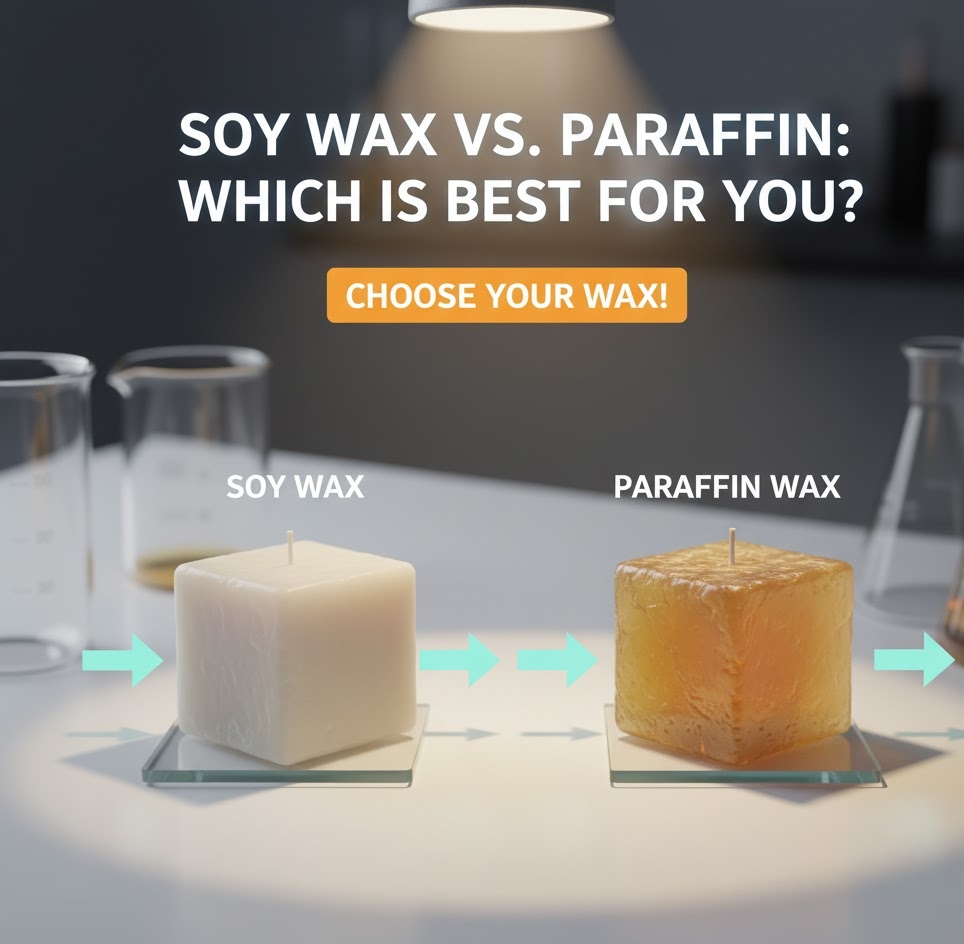
Sustainable Candle Making: A Complete Guide to Eco-Friendly Practices
Transform your candle making process with our comprehensive guide to sustainable practices, materials, and packaging that reduce environmental impact without sacrificing quality.
Read article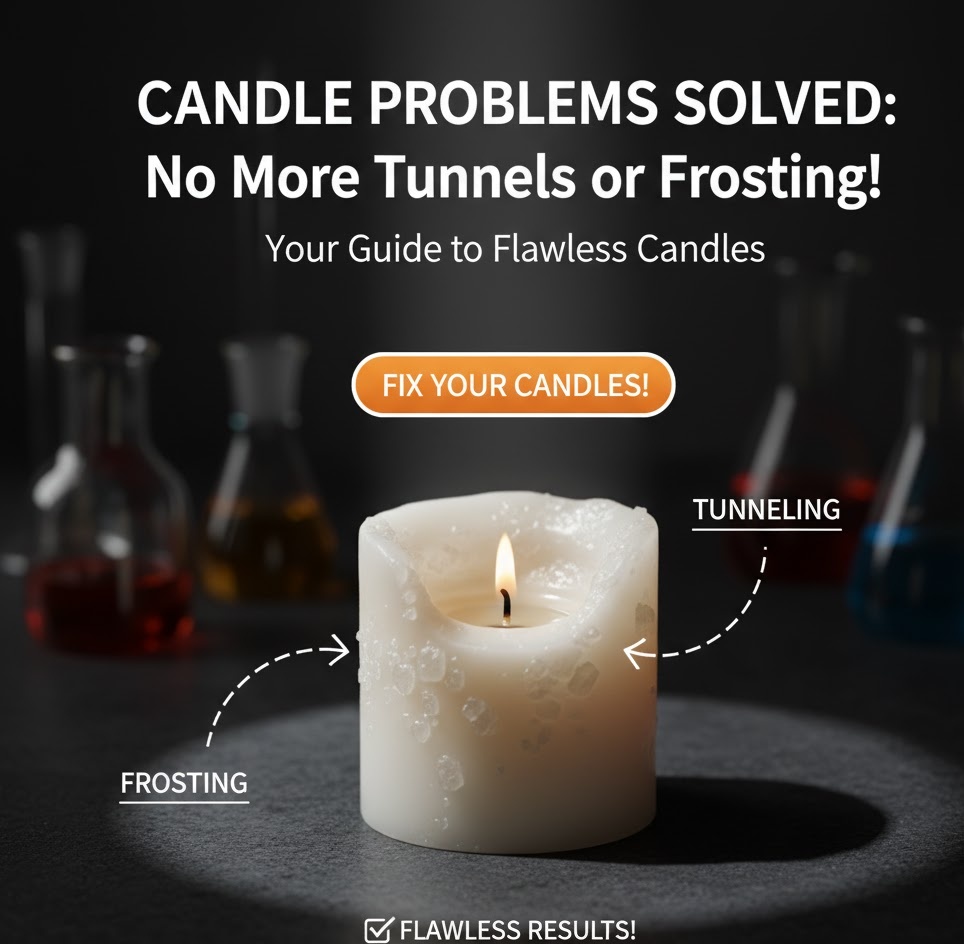
The Art of Candle Troubleshooting: Solving Common Problems Like a Pro
Learn how to diagnose and solve the most common candle making issues with our comprehensive troubleshooting guide. From tunneling and sinkholes to poor scent throw, we cover every problem with professional solutions.
Read article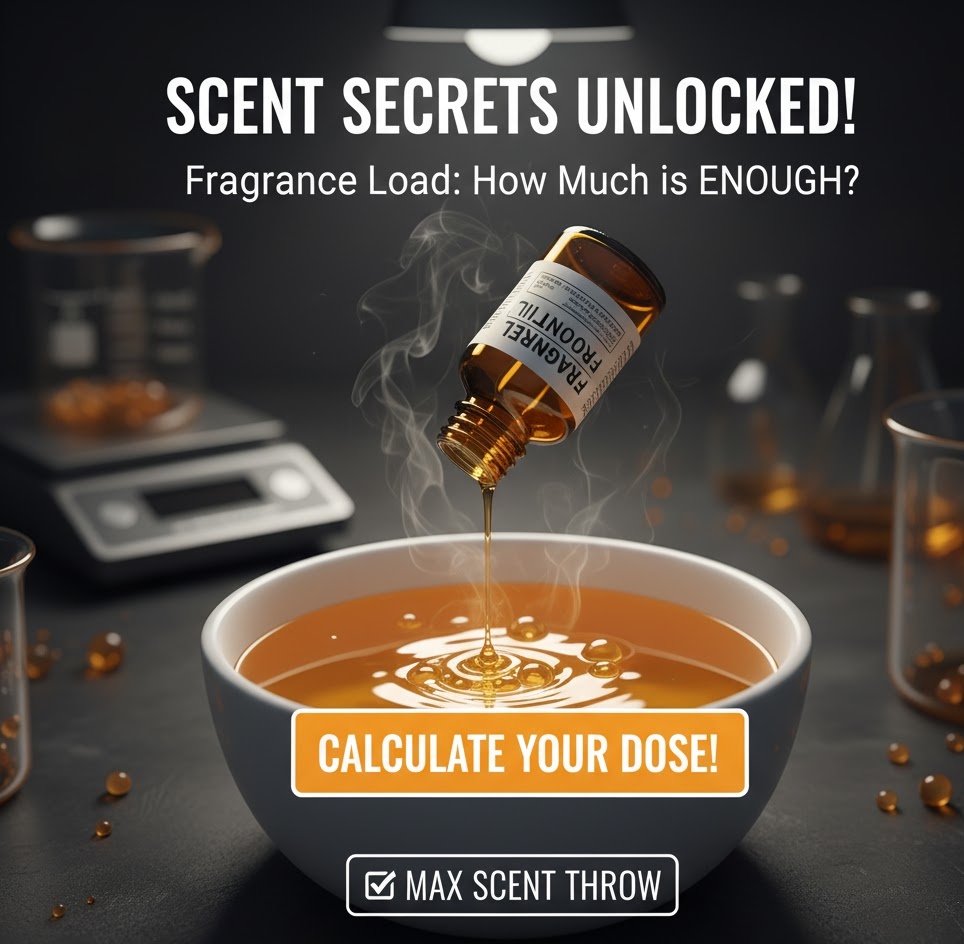
The Science Behind Fragrance Load: A Complete Guide
Understanding how different waxes interact with fragrance oils is crucial for creating the perfect scented candle. Learn about optimal fragrance loads, testing methods, and troubleshooting common issues.
Read article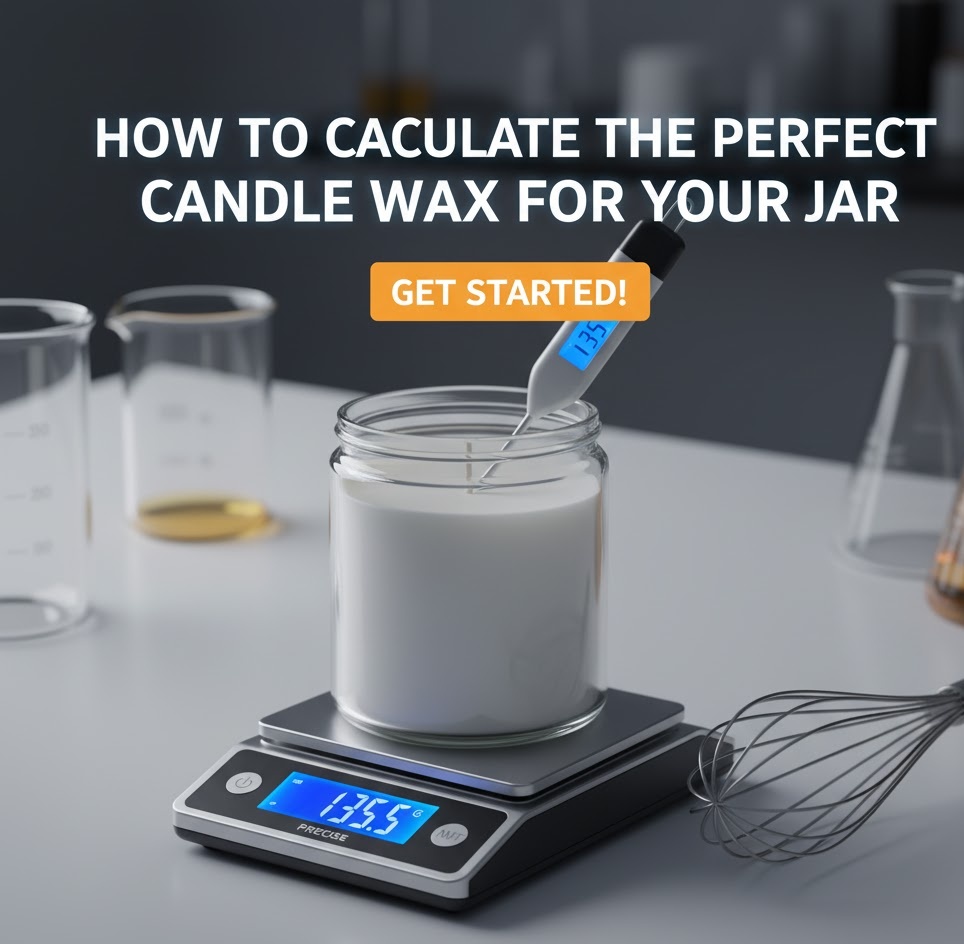
The Ultimate Guide to Choosing Candle Containers
A comprehensive guide to selecting the perfect vessel for your candles. Learn about materials, sizes, safety considerations, and how container choice affects candle performance.
Read articleReach Candle Makers When They Need You Most
3,400 candle makers used these calculators in the 90 days to 4 September 2026 (site analytics), most of them looking for wax, wicks and fragrance. Performance-based partnerships with transparent tracking.
Ready to Make Perfect Candles?
Get the calculators' batch notes by email, a few times a year, when a table or a coefficient changes.