As consumer awareness grows, sustainable candle making is becoming essential for both environmental responsibility and market appeal. This comprehensive guide will help you implement eco-friendly practices without compromising on quality or profitability.
Sustainable Wax Options
Choosing environmentally friendly wax is the foundation of sustainable candle making:
Plant-Based Waxes
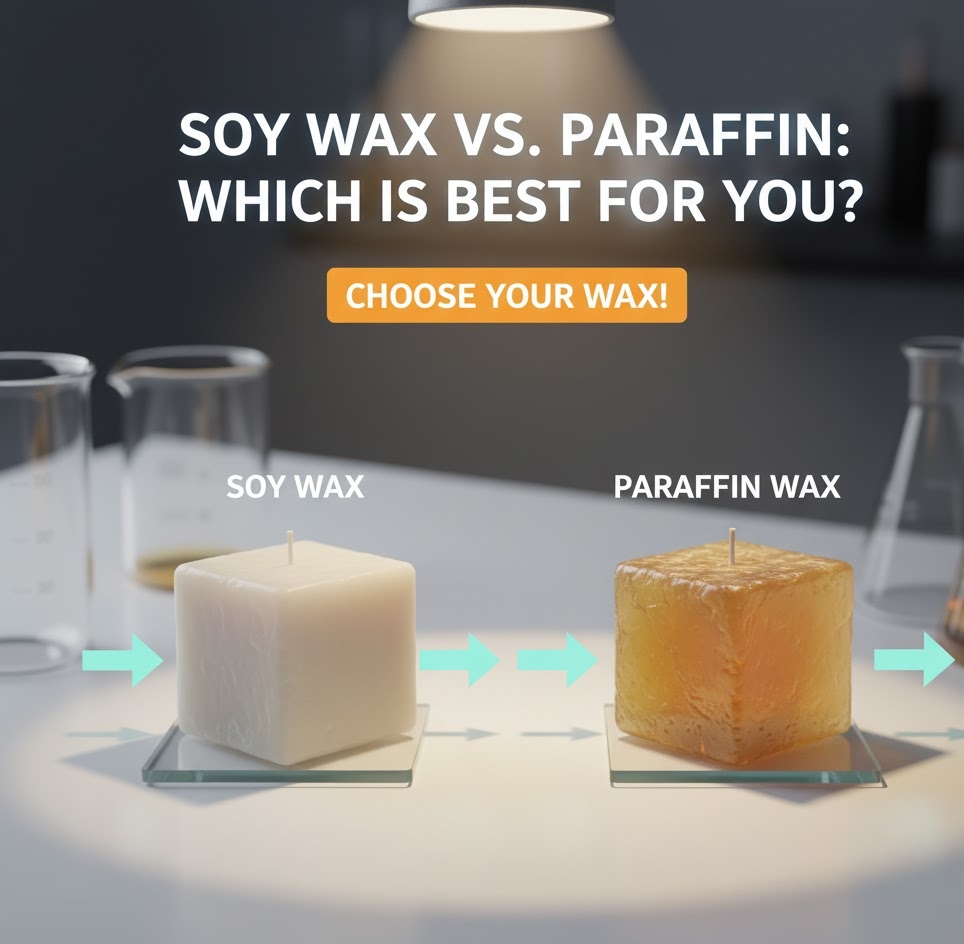
- Soy Wax: Renewable, biodegradable, and typically non-GMO when certified
- Coconut Wax: Sustainable harvesting, excellent scent throw, slower burn rate
- Rapeseed Wax: Low carbon footprint, clean burning, excellent hot throw
- Rice Bran Wax: Byproduct of rice production, sustainable and renewable
Understanding the proper melting and pouring temperatures for these alternative waxes is crucial for optimal performance.
Natural Waxes
- Beeswax: Natural byproduct of honey production, supports pollinators
- Bayberry: Traditional, naturally-fragrant wax from wild shrubs
Eco-Friendly Fragrance Options
Fragrance choices significantly impact your candle's environmental footprint:
Essential Oils
- Derived directly from plants through distillation or cold pressing
- Free from synthetic chemicals
- Often require careful blending for stability in candles
- May require higher concentrations than synthetic alternatives
When working with essential oils, consult our guide to fragrance load science for specific recommendations on usage rates and compatibility with different wax types.
Clean Fragrance Oils
- Phthalate-free formulations
- Sustainably sourced ingredients
- Transparent manufacturer practices
- Lower environmental impact in production
Sustainable Containers and Packaging
Extending sustainability to your packaging completes your eco-friendly approach:
Container Options
- Recycled Glass: Lower carbon footprint than virgin glass
- Upcycled Containers: Repurposed vessels like vintage teacups or mason jars
- Biodegradable Options: Coconut shells, sustainably harvested wood
For detailed guidance on container selection that balances sustainability with performance, visit our container selection guide.
Minimal Packaging
- Recycled and recyclable cardboard
- Biodegradable labels and adhesives
- Plantable seed paper for tags and inserts
- Compostable shipping materials
Sustainable Packaging Tip
Consider packaging that serves a secondary purpose, such as reusable cotton bags, plantable seed tags, or containers specifically designed for repurposing. This extends the lifecycle of your materials and adds value for customers.
Sustainable Production Practices
Eco-friendly candle making extends beyond materials to your entire process:
Energy Efficiency
- Use energy-efficient melters and tools
- Batch production to minimize energy use
- Consider renewable energy sources for your workspace
- Implement proper insulation techniques during production
Waste Reduction Strategies
- Repurpose wax scraps for melts or fire starters
- Implement container return programs
- Use digital record-keeping to minimize paper waste
- Practice precise measuring to reduce material waste
Carbon Offsetting and Supply Chain Considerations
Extend your sustainable practices throughout your business operations:
Ethical Sourcing
- Research suppliers' environmental policies
- Choose local suppliers when possible to reduce transportation emissions
- Look for Fair Trade and sustainable harvesting certifications
Carbon Offsetting Programs
- Calculate your carbon footprint
- Invest in verified carbon offset projects
- Communicate your carbon-neutral status to customers
Marketing Your Sustainable Candles
Effectively communicating your eco-friendly practices helps connect with conscious consumers:
Transparency in Labeling
- Clearly list all ingredients
- Highlight sustainable attributes
- Explain environmental benefits
- Include proper disposal instructions
Certifications and Standards
- Vegan certification
- Cruelty-free verification
- Organic ingredients (when applicable)
- B-Corp or other sustainability certifications
Frequently Asked Questions
Are sustainable candles more expensive to produce?
While some eco-friendly materials have higher upfront costs, many sustainable practices (like waste reduction and energy efficiency) can reduce overall expenses. Additionally, eco-conscious consumers are often willing to pay premium prices for environmentally responsible products.
Do sustainable waxes perform as well as traditional paraffin?
With proper formulation and technique, sustainable waxes can perform excellently. Each wax has unique characteristics that may require adjustments to your process, particularly regarding temperature control during production.
How can I ensure my essential oil candles have good scent throw?
Essential oils typically require different handling than fragrance oils. Select oils known to perform well in candles (like citrus, eucalyptus, and lavender), use proper concentration rates, and ensure optimal burning temperature with appropriate wick selection.
Calculate Your Sustainable Candle Materials
Use our professional calculator to determine the exact amounts of eco-friendly wax and natural fragrance needed for your next batch of sustainable candles.
Try our Wax Calculator →